Look Again: Practising Observation
Describing a detail before explaining it helps separate what we see from the ideas we form about it.
3 min read
Looking twice means leaving a little space between seeing and explaining. With a leaf, a shell or an object in class, first ask which details we can describe without guessing their cause.
Try a practical sequence: look quietly for a few seconds, name three details, then choose a question. An uneven edge, a mark or a shadow becomes a clue to examine rather than an automatic answer.
An adult can gather different descriptions without deciding at once which one is correct. “What did you notice?” and “Which part can we check?” help compare viewpoints and look for evidence in the object itself.
To keep observing natural shapes and details, Flowers to Colour: A Colouring Book with 30 Large Drawings and Flower Names combines flower illustrations with creativity and focus.
Observation does not remove imagination; it gives imagination a starting point. First gather what is visible, then invent explanations and decide which new test or comparison might help distinguish them.
From the catalogue
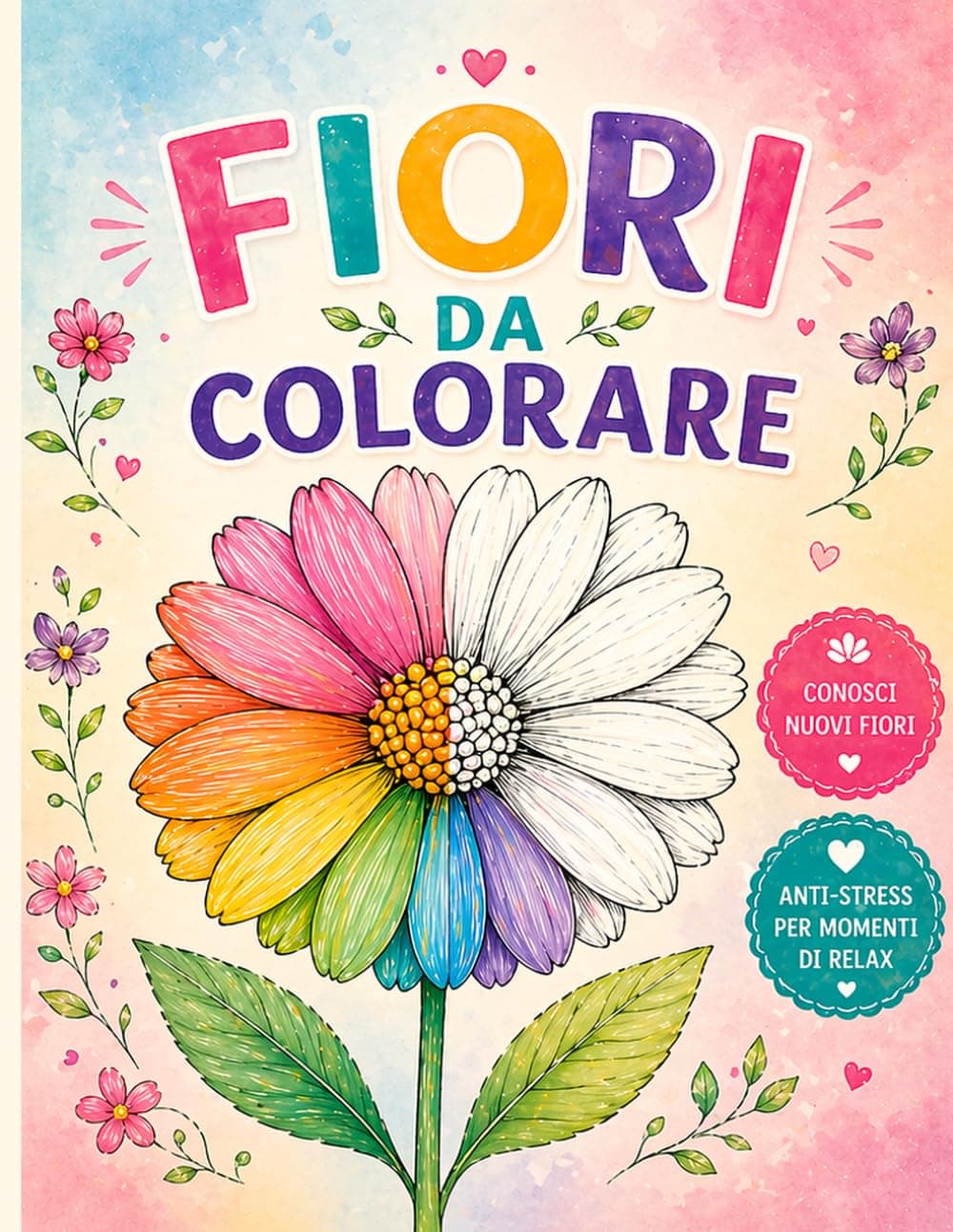
Flowers to Colour: A Colouring Book with 30 Large Drawings and Flower Names
Thirty large, easy-to-colour flower illustrations with Italian flower names, combining creativity, observation and focus.
Buy on Amazon