How Many Explanations Can One Object Have?
An everyday object can suggest several hypotheses; observing its shape, materials and traces helps us test them.
3 min read
Choose an ordinary object, such as a clothes peg, an empty jar or a key without a door. Describe it first: what shape is it, which parts move and what feels heavier? Then imagine what it might be used for.
Invite each person to offer an explanation, even an unusual one, and name the detail that suggested it. A hypothesis becomes more interesting when it connects to a clue others can observe too.
To bring attention and critical thinking into the comparison of ideas, MENTELAB brings together logic games and neurocognitive exercises.
Next, look for a safe way to check that respects the object. If we think a part might rotate, try moving it; if we imagine the material is metal, notice its reflection or compare its weight with a familiar object.
We will not always find a final answer, and there is no need to force one. We can note which explanations remain possible and what information is missing. The object becomes a small question to keep exploring together.
From the catalogue
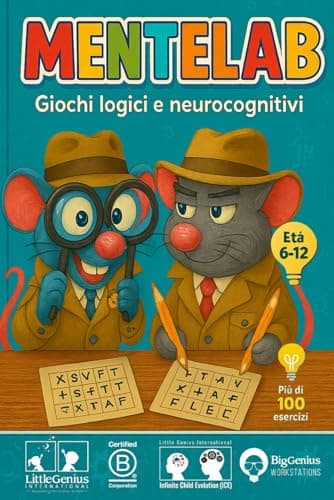
MENTELAB
Logic games, neurocognitive exercises and activities to train attention, memory, concentration and critical thinking.
Buy on Amazon