How Does a Shared Rule Take Shape? Small Interactions, Shared Patterns
At home and in the classroom, a rule also lives in the responses people repeat. Following these exchanges helps us see how small actions can shape a group, without blaming everything on one person.
4 min read
A complex system is a group of people, places, moments and relationships that affect one another. At home or in a classroom, a situation does not depend on one person alone: what happened before, who is present and which responses have been repeated all matter too.
A request, a reply and a moment of listening may seem small. When they happen often, perhaps during a transition between activities, they help a group learn what to expect and how to continue. Over time, these exchanges can become a shared habit, even if nobody decided on it alone.
Respect for personal boundaries is one concrete example. When a child asks for space or says they do not want to do something, the response from adults and the group helps shape expectations: is the request heard, ignored or discussed? This is not a test for judging anyone; it is a way to observe how responses affect one another over time.
For a practical way to discuss bodies, feelings and boundaries with children ages 3–7, My Body Belongs to Me: Emotional Education for Children Ages 3–7 | Body, Feelings, Boundaries and Safety is a guide that uses examples and activities to support the conversation.
At home or at school, choose a daily routine and observe it for a few days. You could note who suggests the next step, who responds and what changes afterward. Look for sequences that repeat and for moments that vary. A brief note is enough; there is no need to find an explanation right away.
Context matters: the same response can mean something different depending on the moment, who is there and what happened before. Looking at exchanges helps us describe a shared rule without assigning it to one cause. Explore the book catalogue for more reading for families and teachers.
From the catalogue
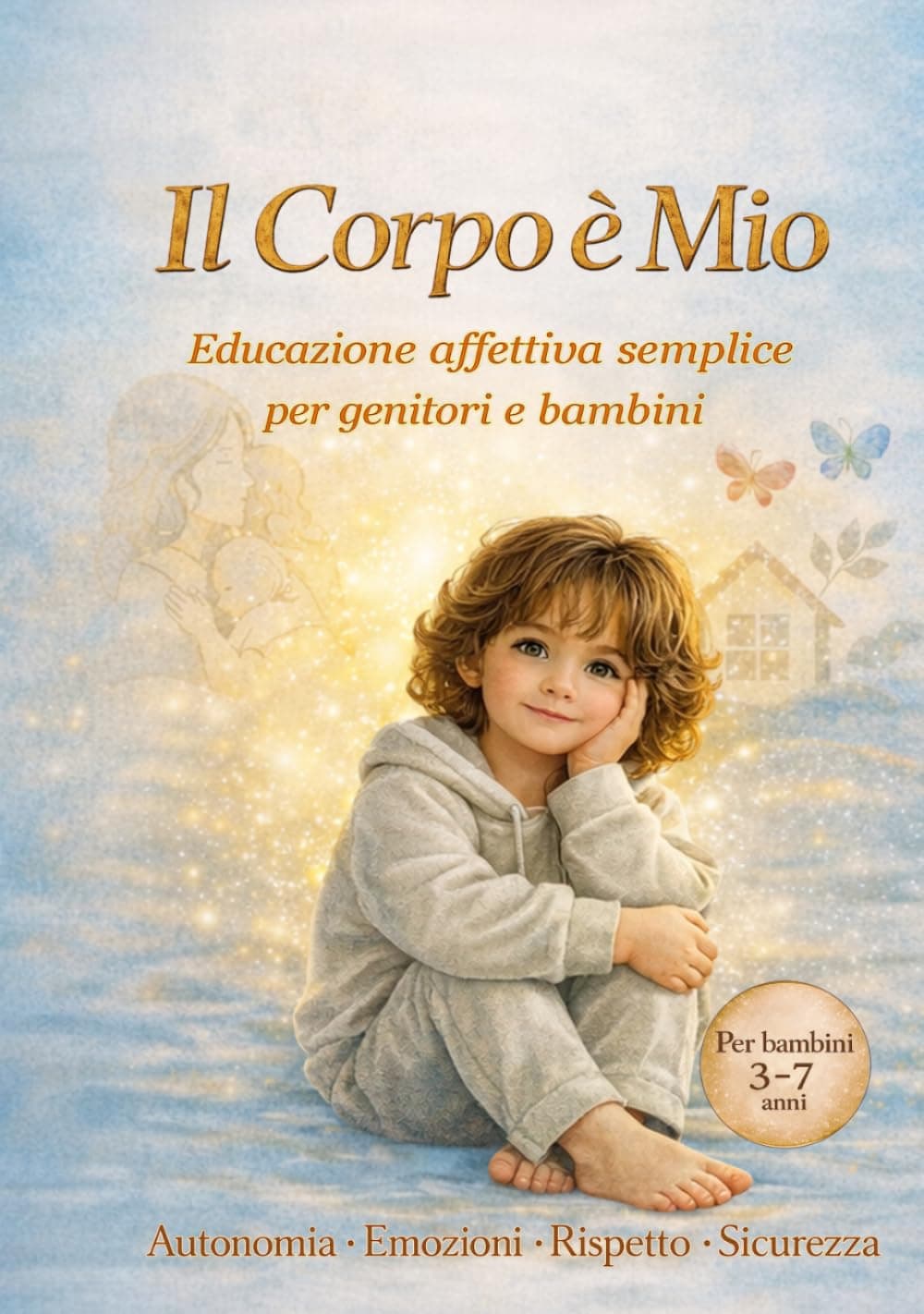
My Body Belongs to Me: Emotional Education for Children Ages 3–7 | Body, Feelings, Boundaries and Safety
A gentle, practical guide to talking with young children about their bodies, feelings, boundaries, privacy and safety through simple activities and examples.
Buy on Amazon