A Classroom as a System: Roles, Routines and Relationships
Looking at people, habits and exchanges helps us understand classroom life beyond a single cause.
3 min read
A classroom is made of people, spaces, objects, rules and habits that meet every day. When something changes, such as desk arrangements or reading time, the effects may involve more than one element.
To understand a situation, start with one specific scene: moving from one activity to another, for instance. Who knows what to do? Which materials are within reach? When does waiting build up? The description gathers several viewpoints.
For structured learning paths shaped around ages and projects, HOME SCHOOL ICE®: A Parents' Guide to Education from 5 to 14 Years | Annual Objectives, Curriculums, Experiences and Tools for Family Learning offers families objectives, portfolios and practical tools.
This map is not looking for one person to blame for every difficulty. It helps the group see how roles and routines affect one another: an unclear instruction may change the pace, and a different pace may make listening harder.
After choosing one point to observe, the class can try a small change together and describe what it noticed. Keeping the map open makes room for new voices and reminds us that group life is built through relationships.
From the catalogue
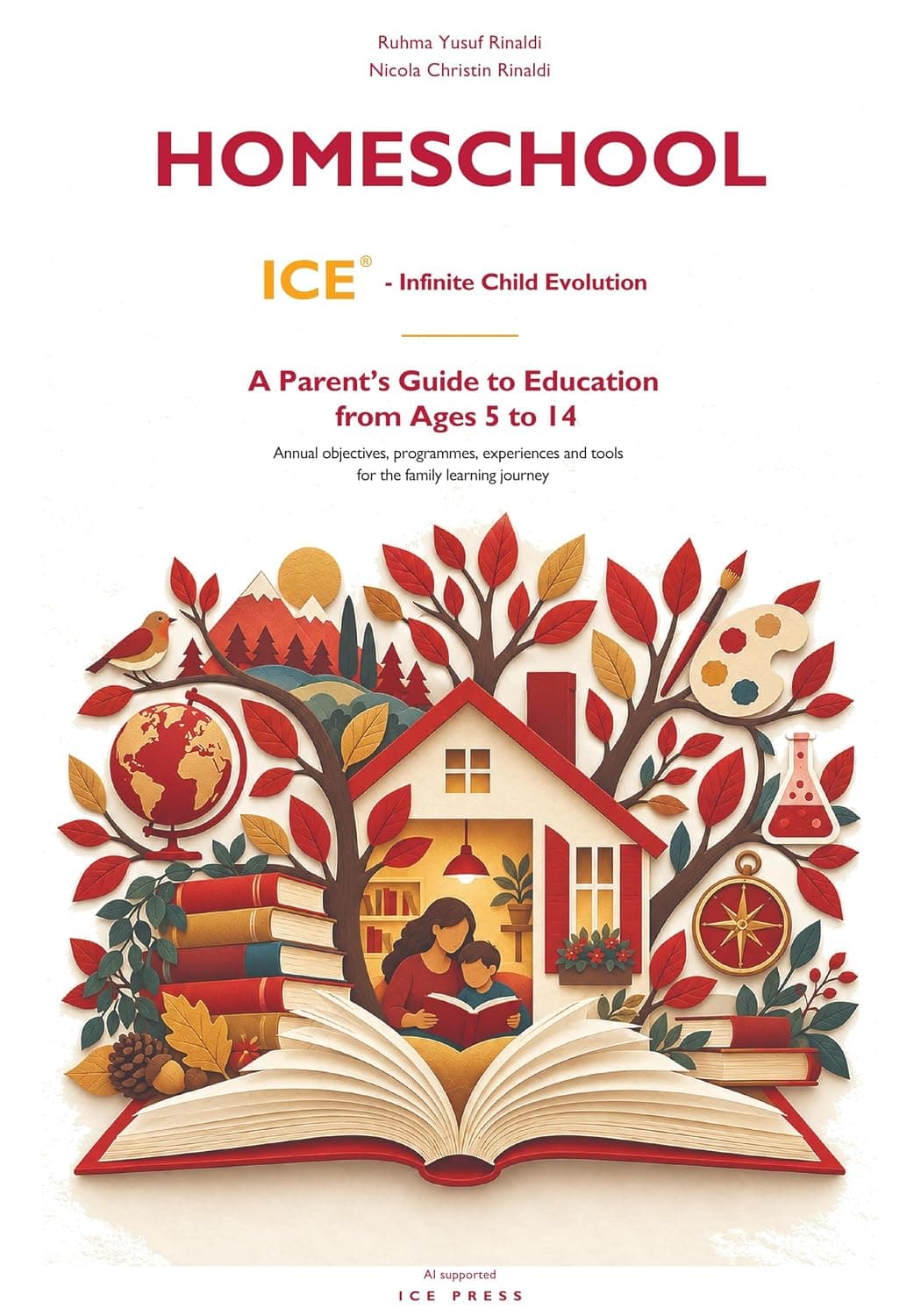
HOME SCHOOL ICE®: A Parents' Guide to Education from 5 to 14 Years | Annual Objectives, Curriculums, Experiences and Tools for Family Learning
An operational family-learning guide connecting annual objectives, age-based pathways, interdisciplinary projects, portfolios and practical tools for ages 5 to 14.
Buy on Amazon