When everything is connected
A system changes through the relationships between its parts. Looking at connections helps us read causes, effects and possibilities.
5 min read
When we look at one thing on its own, it is easy to describe it. When we look at many things that influence one another, the description becomes a story of relationships, timing and consequences.
In a complex system, a small change can shift the balance of the whole. Not because each part controls the others, but because every part takes part in a network of exchanges that keeps changing.
Looking at relationships helps us ask better questions. Instead of searching for one single cause, we can ask which conditions made an outcome possible, which effects appeared later and which elements are still evolving.
For a structured way to connect objectives, activities and projects, HOME SCHOOL ICE®: A Parents' Guide to Education from 5 to 14 Years | Annual Objectives, Curriculums, Experiences and Tools for Family Learning offers age-based pathways for family learning.
This perspective does not make everything harder to understand. It helps us decide where to look: to separate an important detail from passing noise and to notice the points where a change may travel through the system.
Thinking through connections is an invitation to be patient. Before reaching a conclusion, we can draw a provisional map, listen to its parts and keep it open to new links.
From the catalogue
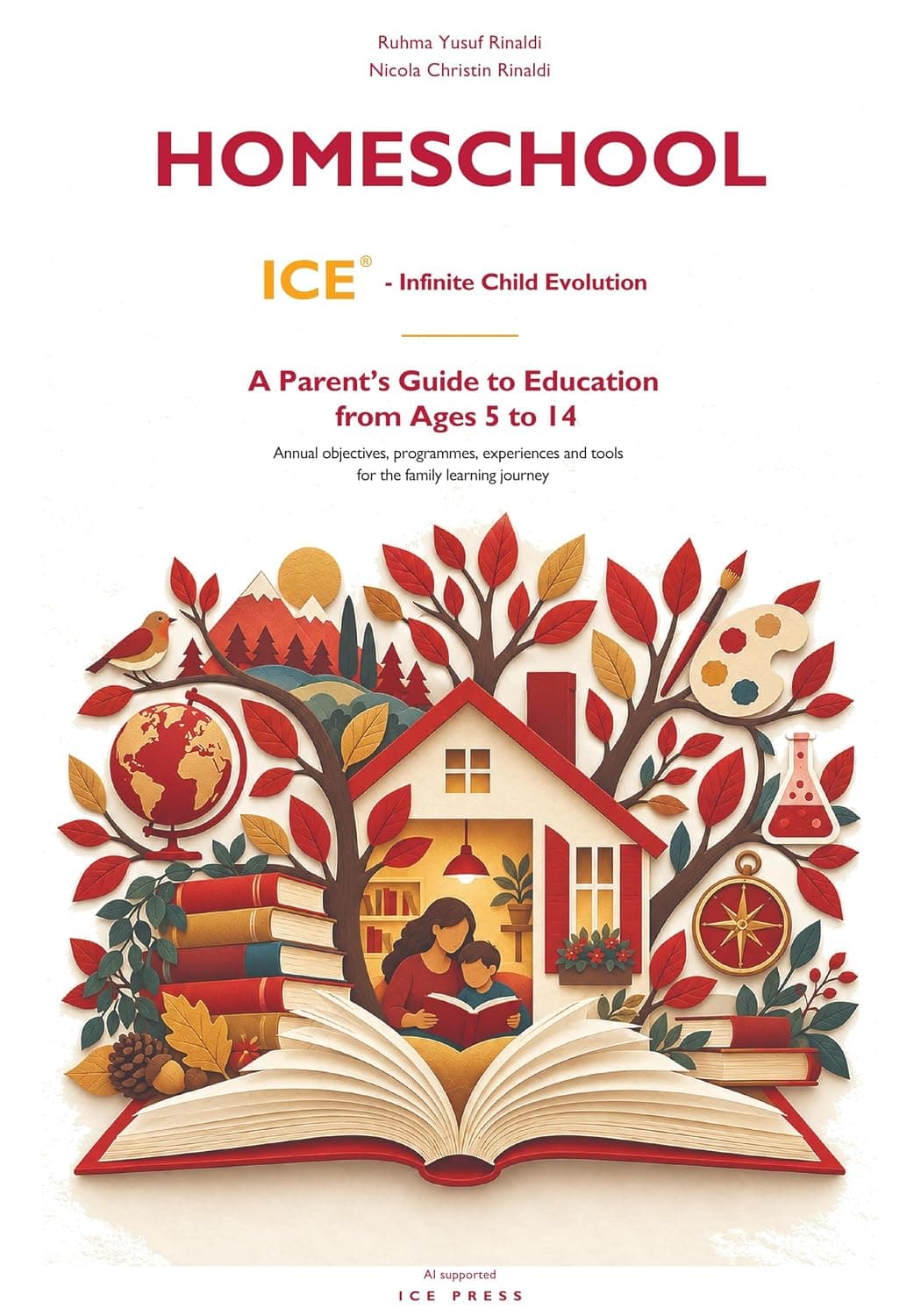
HOME SCHOOL ICE®: A Parents' Guide to Education from 5 to 14 Years | Annual Objectives, Curriculums, Experiences and Tools for Family Learning
An operational family-learning guide connecting annual objectives, age-based pathways, interdisciplinary projects, portfolios and practical tools for ages 5 to 14.
Buy on Amazon