Telling Stories to Organize What We Know
Putting an idea into a sequence of words, pictures or gestures makes it shareable and easier to revisit together.
3 min read
Telling an experience means making choices: what happened first, what changed and which detail deserves attention? A sequence does more than help us remember events; it gives us a shape for exploring their meaning.
After a walk, an experiment or a game, invite a child to describe a favourite moment. If words do not come easily, they can draw three scenes, use objects to represent them or dictate the story to an adult.
A visual sequence can begin with letters too: Alphabet Animals pairs the alphabet with twenty-six animals.
A listener might ask, “What made you change your mind?” or “Which clue would you put in the story?” These questions connect the steps while leaving the child to find the relationships instead of handing them a ready-made conclusion.
The story can stay open. A new observation may add a scene or change an earlier one. Reading it together makes visible what we know today and what we still want to discover.
From the catalogue
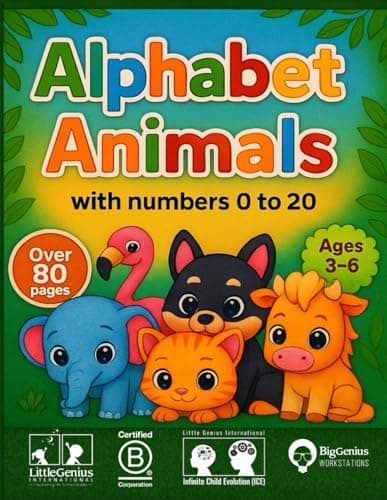
Alphabet Animals
A colouring book from A to Z with adorable animals, letters to recognise and pages that invite creativity.
Buy on Amazon